





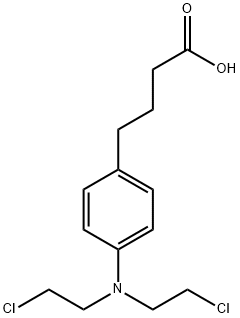
Chlorambucil
Benzoic acid nitrogen mustard is a nitrogen mustard alkylating agent, belonging to cell cycle non-specific anti-tumor drugs, and also an important immunosuppressant. It is not only a human drug, but also widely used in veterinary clinical practice.
Basic Properties
CAS number: 305-03-3
EINECS number: 206-162-0
Molecular formula: C ₁₄ H ₁₉ Cl ₂ NO ₂
Molecular weight: 304.21
Appearance: White to beige crystalline powder
Melting point: 64-66 ° C
Boiling point: 460.1 ° C
Density: 1.248 g/cm ³
Solubility: Insoluble in water (<0.01 g/100 mL, 22 ° C), soluble in ethanol, chloroform, acetone, ether, soluble in dilute alkali solution
SMILES:OC(=O)CCCc1ccc(cc1)N(CCCl)CCCl
Toxicity: Highly toxic (acute toxicity: oral LD ₅₀ 76 mg/kg in rats; Oral LD ₅₀ 101 mg/kg in mice
Dangerous goods symbol: T (toxic)
Carcinogenicity: IARC Group 1 Carcinogen
Pharmacological mechanism
Benzoic acid nitrogen mustard is a prodrug that is oxidized to the active metabolite phenylacetic acid nitrogen mustard at the β - position in the liver after entering the body. Its mechanism of action is the same as other nitrogen mustard drugs:
As an alkylating agent, it causes cross linking of DNA strands, interfering with DNA replication and transcription
Belonging to non-specific drugs in the cell cycle, they have a killing effect on cells at all stages
Targeting B cells while having immunosuppressive effects
Slow onset, usually takes 2 weeks to achieve therapeutic effect
Clinical application of veterinary drugs
Benzoic acid nitrogen mustard is a chemotherapy drug in veterinary clinical practice, but it is more commonly used as an immunosuppressant, especially in the treatment of immune-mediated diseases in cats and dogs:
The application of dogs
Protein loss enteropathy (PLE): When used in combination with prednisolone, it is more effective than the prednisolone+azathioprine regimen and can improve serum albumin concentration, body weight, and median survival
Recommended dosage: 2-6 mg/m ² orally, once every 24 hours
The application of cats
Inflammatory bowel disease (IBD): as a second-line adjuvant therapy with prednisolone, used in severe cases with poor response to steroids
Immune-mediated thyroiditis (IMT): as a second-line drug
Recommended dosage: For cats weighing over 4 kg, take 2 mg orally every 48 hours; Cats weighing less than 4 kg should take 2 mg orally every 72 hours
Advantages of veterinary drugs
Compared to azathioprine, bone marrow suppression is milder
The safety of cats is better than that of azathioprine (azathioprine is toxic to cats and is prohibited)
Low dosing frequency, convenient for pet owners to operate
Side effects include mild bone marrow suppression (occurring 7-14 days later), decreased appetite, vomiting, diarrhea, etc
Safety and Precautions
Bone marrow suppression: the most common adverse reaction, usually reversible, but high-dose or long-term use may lead to irreversible damage
Carcinogenicity: IARC Group 1 carcinogen, long-term use can increase the risk of secondary tumors
Mutagenicity/teratogenicity: contraindicated during pregnancy
Storage conditions: 2-8 ° C, light shielded and sealed for storage
Operation protection: It belongs to cytotoxic drugs, and operators need to wear protective gloves to avoid direct contact
Summary
Dimension Description
Drug type: Nitrogen mustard alkylating agent (anti-tumor drug+immunosuppressant)
Indications for human use include chronic lymphocytic leukemia, lymphoma, ovarian cancer, etc
Indications for veterinary use include immune-mediated diseases such as PLE in dogs and IBD in cats
Oral administration route
Is it shared between humans and animals? Both humans and animals use it
Highly toxic, Class 1 carcinogen, mutagenic, teratogenic