





Hydrolyzed Collagen Peptides
1、 Product basic file
Chinese name: Hydrolyzed collagen/collagen peptide
English name: Hydrogenated Collagen Peptides/Collagen Hydrogenolysis
Alias: hydrolyzed collagen, collagen peptide, collagen hydrolysate, fish collagen peptide (fish source), bovine collagen peptide (cow source), pig collagen peptide (pig source)
INCI Name: HYDROLYMED COLLEGEN
CAS number: 9007-34-5
Molecular formula: No fixed molecular formula (a mixture of multiple peptide segments)
Molecular weight: 300-10000 Da (usually<5000 Da, with significant differences in hydrolysis processes and sources)
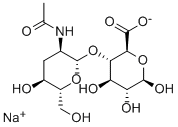
Structural features: The peptide mixture obtained by enzymatic or acid/alkaline hydrolysis of collagen retains the unique Gly-X-Y repeat amino acid sequence of collagen (X is often proline, Y is often hydroxyproline), and is rich in glycine (about 33%), proline, and hydroxyproline (about 15-30% in total), which are extremely rare in other proteins
Source classification:
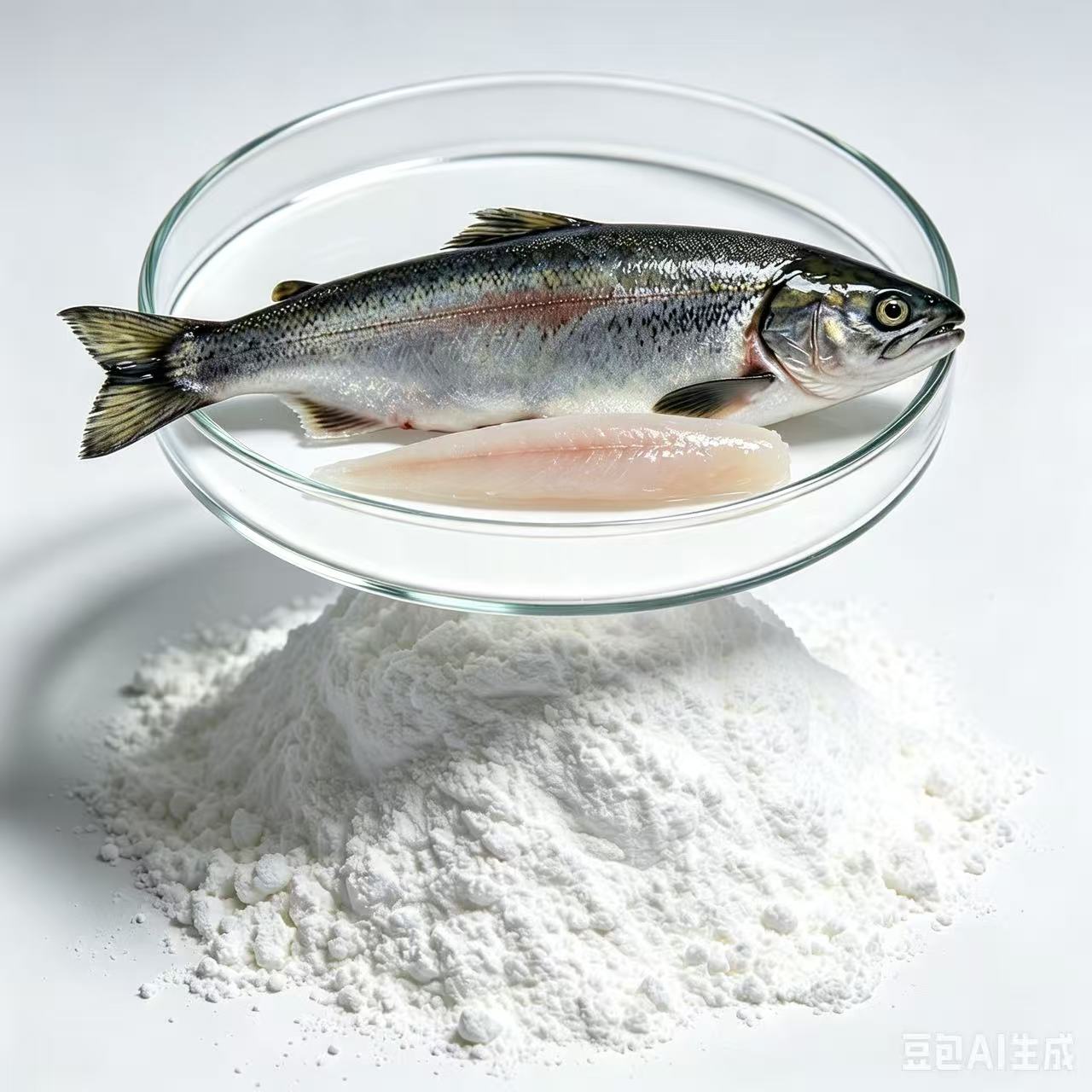
Fish source (fish skin, fish scales): with the lowest molecular weight (about 7.5 kDa), the strongest antioxidant activity, high safety (no BSE risk), and the most widely used in cosmetics
Cow source (cowhide, cow bone): Traditional source, mainly type I collagen protein
Pig source (pig skin): high similarity in structure with human collagen protein
Chicken source (chicken breast cartilage, chicken gizzard): mainly type II collagen, widely used in joint health direction
Deer source (deer tendon): an emerging source with high purity and low ash content
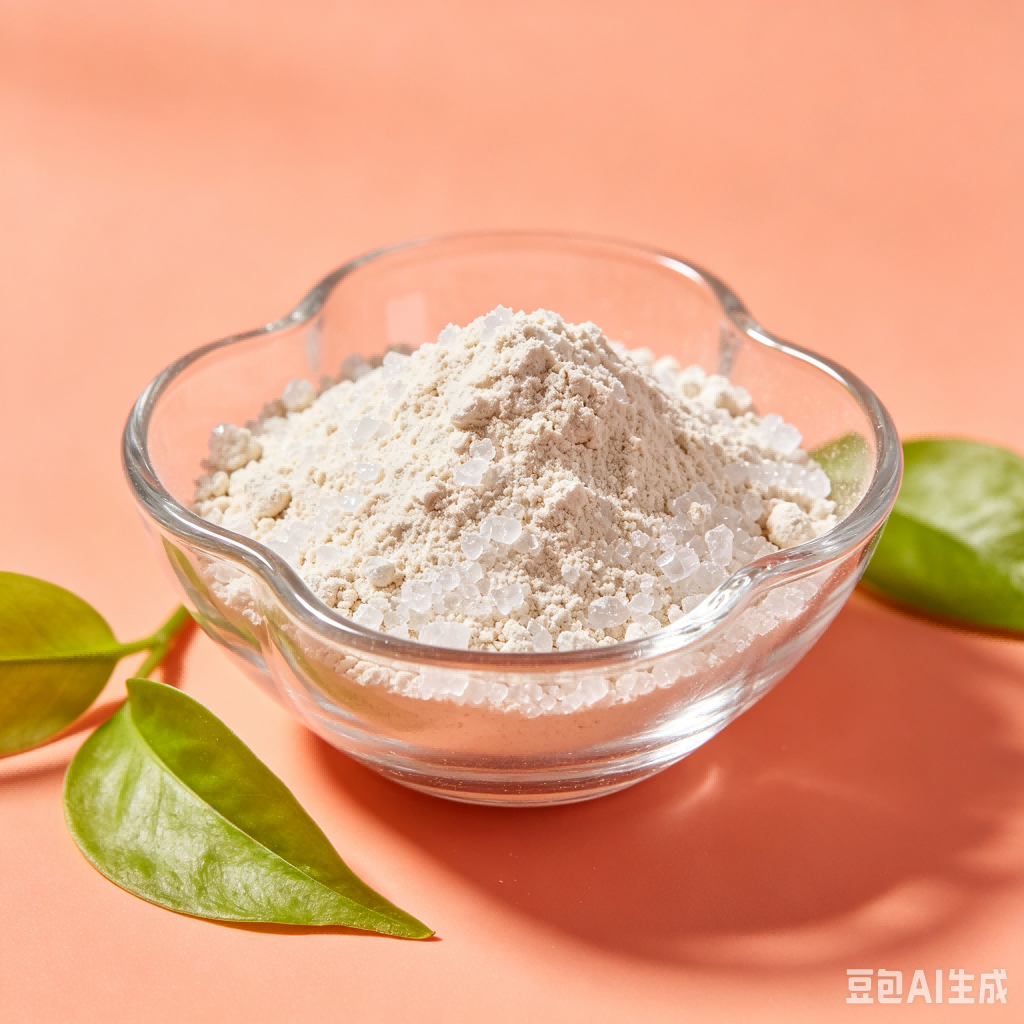
Appearance: White to light yellow powder or light brown powder (fish source color tends to be light)
Odor: Slightly fishy or odorless (high-quality deodorization products are odorless)
Solubility: Good water solubility (after hydrolysis), soluble in hot and cold water (depending on molecular weight and degree of hydrolysis)
PH range: 5.0-7.5 (6.67% aqueous solution)
Isoelectric point: pI=3.7-5.7 (significantly lower than natural collagen pI 7.0-8.0 after hydrolysis)
Thermal stability: Relatively stable to heat, but prolonged heating at high temperatures may lead to further cleavage of peptide bonds
Storage conditions: Store in a sealed, cool, and dry place to avoid moisture absorption
Purity specification: Protein content ≥ 90% (dry basis), ash content ≤ 5% (fish source ash content may be higher, about 24.89%, due to residual minerals in bones)
INCI functional classification: Humectant, Skin Conditioning
Regulatory status: Listed in China's "Catalogue of Used Cosmetic Raw Material Names (2015 Edition)"; CIR (American Cosmetic Ingredient Review Expert Group) evaluates that it is safe to use in cosmetics
2、 Core efficacy and mechanism of action
The efficacy of hydrolyzed collagen peptides needs to be distinguished between topical application (topical application) and oral administration (dietary supplementation), and there are significant differences in their mechanisms of action and effects.
External efficacy (topical application of cosmetics)
It should be noted that the molecular weight of hydrolyzed collagen peptides is still relatively large (usually>500 Da), making it difficult to penetrate the intact stratum corneum to reach the dermis layer. Therefore, topical application mainly exerts surface effects rather than directly supplementing dermis collagen.
Moisturizing and Water Locking (Core Effect): Hydrolyzed collagen peptides are excellent moisturizers with strong water binding ability. The abundant polar amino acid residues (glycine, proline, hydroxyproline, etc.) on its polypeptide chain can bind with water molecules through hydrogen bonding, forming a moisturizing film on the skin surface and effectively reducing transdermal water loss (TEWL). Clinical research shows that after external application of gel preparation containing 0.5%~1.5% fish collagen peptide, skin hydration increases by about 14% within 24~48 hours, and TEWL value decreases significantly (by 4.1%~5.6%).
Membrane protection and barrier repair: Hydrolyzed collagen peptides can form a transparent protective film on the surface of the skin, which not only locks in moisture but also protects the skin from external mechanical damage and surfactant irritation. The research shows that the gel containing fish collagen peptide can significantly improve the skin barrier damage caused by SDS pretreatment, and the TEWL value is maintained in the healthy range (8.5~11.1 g · m ² · h ²).
Improve skin texture and reduce wrinkles: clinical studies have confirmed that the gel containing 0.5% and 1.5% fish collagen peptide has significantly reduced the number of wrinkles around the eyes after 8 weeks of continuous use, and the skin roughness parameters R1 ~ R5 have improved by 3.0% ~ 26.2% (R1 has the most significant improvement, reaching 21.4% ~ 22.7%).
Antioxidant activity: Specific amino acid sequences in hydrolyzed collagen peptides (especially peptide segments containing hydrophobic glycine and proline, as well as aromatic amino acids and histidine) have free radical scavenging ability. The DPPH free radical scavenging rate of fish derived collagen peptides can reach 85.24% at a concentration of 2 mg/mL, and remains at 72.02% at a concentration of 10 mg/mL.
Promoting wound healing: In the fields of medicine and functional skincare, hydrolyzed collagen peptides can provide essential amino acids and peptide segments for wound repair, accelerate granulation tissue formation, and shorten the healing cycle.
Oral efficacy (dietary supplement)
Improving skin moisture and elasticity: Multiple clinical studies (including a systematic review of 15 RCTs) have shown that oral administration of 2.5-10g hydrolyzed collagen peptides daily for 8-12 weeks increases skin moisture content by 8% to 20%, elasticity by 3% to 12%, and wrinkle depth by 5% to 15%.
Mechanism of action: After oral administration, collagen peptides are not completely broken down into individual amino acids for reabsorption, but are partially absorbed into the bloodstream by the intestinal PEPT1 transporter in the form of dipeptides (such as Pro Hyp, Hyp Gly) and tripeptides (such as Gly Pro Hyp). Radiolabeled tracking experiments have confirmed that these peptide segments can target skin tissue and are no longer detectable in the internal organs after 14 days of ingestion, but can still be traced in the skin. After reaching the skin, Pro Hyp and Hyp Gly can promote fibroblast proliferation and hyaluronic acid synthesis.
Improving Joint Health: A 2021 systematic review suggests that collagen peptides may be most beneficial for improving joint function and reducing joint pain. The Gly Pro Hyp tripeptide they contain can inhibit the release of inflammatory factors and matrix metalloproteinase activity.
Enhance bone strength: Collagen peptides can regulate osteoblast activity, promote calcium deposition, inhibit osteoclast differentiation, and have an auxiliary improvement effect on postmenopausal osteoporosis.
Strengthening hair and nails: Cysteine and methionine in collagen peptides can enhance hair follicle toughness, reduce hair breakage and branching, and increase deck thickness.
3、 Recommended addition ratio and application scenarios
External cosmetics
Recommended addition ratio:
Skin care products (face cream/lotion/essence): 0.2%~2% (recommended range of CIR assessment)
Eye care products:<5% (high concentration may cause eye irritation)
Facial mask: 1%~5%
Efficacy gel/essence: 0.5%~1.5% (effective concentration verified by clinical research)
Hair care products: 1% to 5%
Application Scenario:
Moisturizing and repairing products: use its powerful moisturizing and film forming protection properties to apply to daily moisturizing products such as face cream, lotion, essence, etc., to improve skin dryness and barrier function
Anti aging skin care products: use its effect of improving skin texture and reducing wrinkles to apply to anti-aging products such as eye cream and facial essence (clinical research verifies that 0.5%~1.5% concentration can be effective for 8 weeks)
Facial mask products: use its high moisturizing and film-forming properties to apply to sheet facial mask and smeared facial mask
Sensitive Skin Repair Products: Utilizing their gentle barrier repair and protection functions, applied to the care of sensitive and damaged skin
Hair care products: utilizing their film-forming and moisturizing properties, applied to shampoo, conditioner, hair mask, etc., to increase hair gloss and smoothness
Formula suggestion:
Dissolution method: Good water solubility, can be added to the aqueous phase or cooled down before adding (cool down phase)
PH range: pH 5.0-7.5, suitable for the vast majority of cosmetic formula systems
Temperature control: It is recommended to add below 60 ℃ to avoid peptide bond breakage caused by prolonged heating at high temperatures
Anti corrosion system: Emulsified systems containing collagen peptides should pay attention to anti-corrosion. Studies have shown that the effectiveness of preservatives in emulsified systems may be delayed due to oil phase interactions
Efficiency enhancing combination:
Compound with hyaluronic acid: hyaluronic acid provides deep moisturizing, collagen peptides provide surface film-forming and water locking, forming a multi-level moisturizing system
Combined with vitamin C: Vitamin C promotes collagen synthesis, collagen peptides provide raw materials and moisturization, and synergistically anti-aging
Compound with Niacinamide: Niacinamide improves barrier and pigment management, collagen peptide moisturizes and repairs, synergistically improves skin quality
Oral dietary supplementation
Recommended dosage: 5-10g per day (calculated as pure peptide), recommended to be used in combination with vitamin C to promote collagen synthesis
Suggested duration: At least 8-12 weeks for skin improvement to be observed, and 3-6 months for joint and bone health
Molecular weight selection: It is recommended to choose collagen peptide products with a molecular weight below 2000 Da to ensure higher absorption rates
Source selection: Fish derived collagen peptides have been extensively studied, with the lowest molecular weight and strongest antioxidant activity; The chicken source has the relatively weakest effect
4、 Safety compliance and precautions
Safety: CIR (US Cosmetic Ingredient Review Expert Group) assessment considers hydrolyzed collagen to be safe for use in cosmetics
Irritation: High safety for external use, but may cause irritation to the eye area when the concentration exceeds 5%
Allergy: Originating from animals such as fish, cattle, and pigs, people who are sensitive to related allergens should pay attention
Oral safety: It belongs to food grade raw materials and has high safety; Very few people may experience mild gastrointestinal discomfort
Oral precautions: diabetes patients should monitor blood sugar changes; Avoid taking it with strong tea or coffee, as it may affect absorption