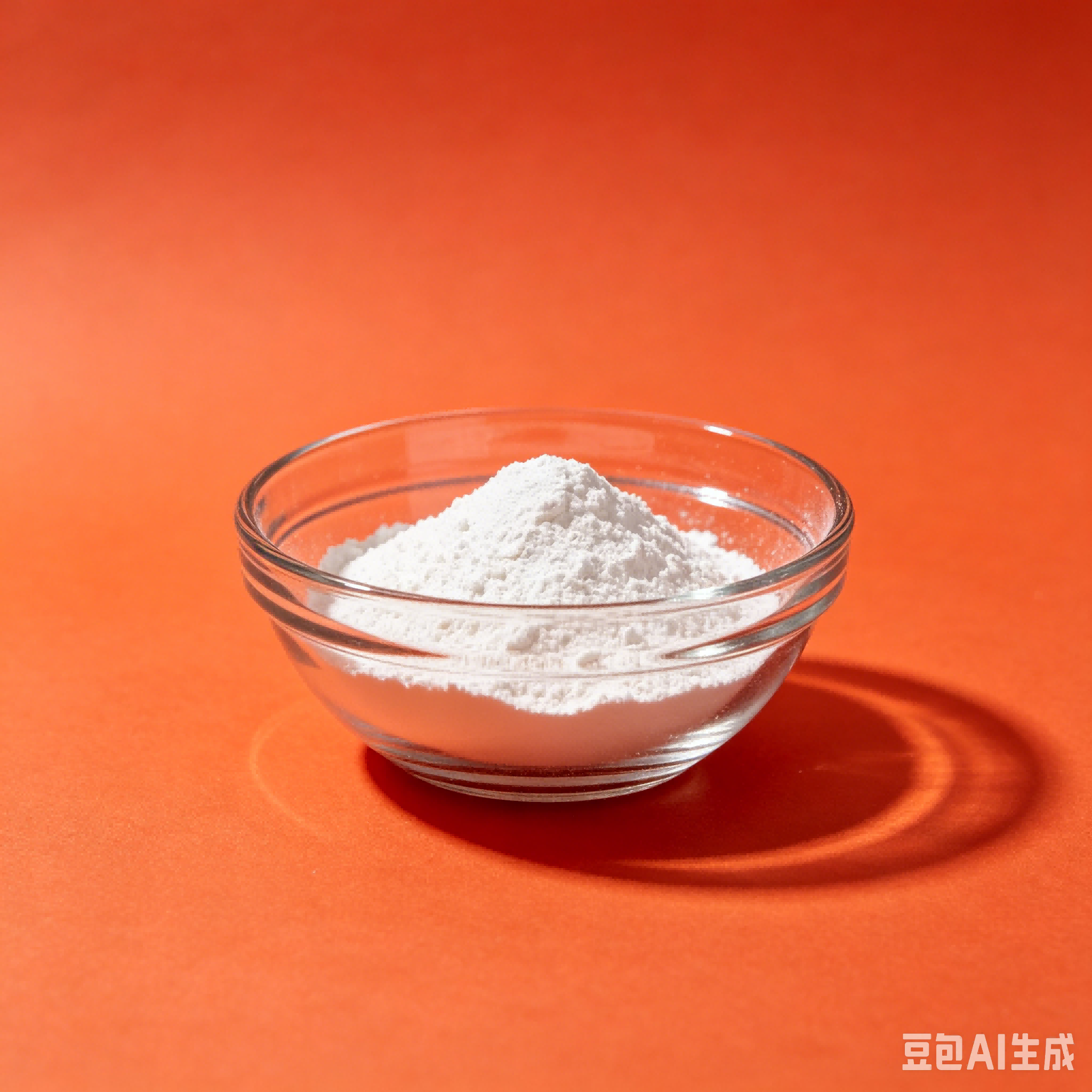






Sodium hyaluronate is the sodium salt form of hyaluronic acid (hyaluronan), a naturally occurring high-molecular-weight mucopolysaccharide widely present in animal and human tissues. It serves as an essential ocular lubricant and reparative component in veterinary eye drops.
Basic Properties
CAS Number 9067-32-7
EINECS Number 232-680-8
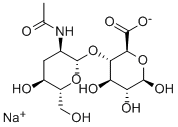
Molecular formula (repeating unit): C₁₄H₂₂NNaO₁₁
Repeating unit molecular weight: 403.31
Actual molecular weight ranges from 500,000 to 7.3 million Daltons (polymeric substances, varying depending on source and manufacturing process).
Physical properties: White to off-white granules or powder
Odor: Odorless
Melting point>209°C (decomposition)
Specific optical rotation [α]D₂⁵ = -74° (c = 0.25, water)
pH value (0.5% aqueous solution): 5.5–7.5
Solubility: Easily soluble in water, forming a viscous, colorless, transparent viscoelastic solution; insoluble in organic solvents.
Extrremely hygroscopic (capable of adsorbing moisture equivalent to 1,800 times its own weight)
Storage conditions: -20°C, sealed, protected from light, and stored in a dry place.
Source: Extracted from chicken comb or fermented with Streptococcus zooepidemicus
Toxicity: Low toxicity (oral LD₅₀ in rabbits>1 g/kg; intraperitoneal LD₅₀ in mice = 1.5 g/kg)
GHS security information
Signal Word: Warning
Risk Classification: H302 (harmful when ingested), H315 (skin irritation), H319 (severe eye irritation), H335 (respiratory tract irritation)
Note: The above represents the GHS classification of the powder raw material; its safety is significantly enhanced when formulated into eye drops.
architectural feature
Sodium hyaluronate is a linear high-molecular-weight polysaccharide formed by the alternating linkage of D-glucuronic acid and N-acetyl-D-glucosamine via β-1,3 and β-1,4 glycosidic bonds.Its molecular chain contains a large number of carboxyl and hydroxyl groups, endowing it with strong hydrophilicity and viscoelasticity.
Pharmacological Mechanism (Ophthalmology Perspective)
The pharmacological effects of sodium hyaluronate in ophthalmology are primarily manifested in the following aspects:
Lubrication and Moisturization: The molecular chains exhibit strong hydrophilicity, enabling the formation of a stable viscoelastic hydration film on the ocular surface, which reduces tear evaporation, prolongs the tear film rupture time, and alleviates symptoms such as dryness and foreign body sensation.
Promotes corneal repair: By binding to the CD44 receptor on the surface of corneal epithelial cells, it activates cell migration and proliferation signaling pathways, thereby accelerating the regeneration and healing of damaged corneal epithelium.
Mucosal adhesion/drug carrier: Utilizes its adhesive properties to prolong the retention time of other drugs on the ocular surface, enhance bioavailability, and reduce administration frequency.
Mechanical protection: The highly viscoelastic solution forms a protective buffer layer on the tissue surface, absorbing mechanical stress and safeguarding the corneal endothelium, iris, and retina.
Anti-inflammatory and anti-scarring effects: Regulate the secretion of inflammatory factors and reduce postoperative scar formation
Applications in veterinary eye drops
Sodium hyaluronate is primarily used in veterinary eye drops for ophthalmic treatment of dogs and cats, with several well-established commercial products already available on the market.
principal indication
Dry eye syndrome (KCS): replaces tear function, lubricates the ocular surface, and alleviates dryness and burning sensations caused by insufficient tear secretion.
Corneal epithelial injury: corneal abrasions, chemical burns, and physical-induced corneal damage that promote epithelial repair
Corneitis/Corneal ulcer: Adjuvant therapy to accelerate healing and reduce scarring
Postoperative eye care: Perioperative protection for cataract surgery, glaucoma surgery, etc.
Eye irritation/foul taste sensation: Prevent further irritation and alleviate discomfort
Representative veterinary products
Product Name | Manufacturer | Concentration | Applicable Animals | Characteristics
OphtHAvet Dechra Veterinary Products (USA) 0.18% for dogs and cats; free of preservatives, blink-activated lubrication
Ocunovis BioHAnce Sentrx Animal Care (USA) – 0.40% for dogs and cats; features patented cross-linked HA technology with sustained-release efficacy.
Equron Fort Dodge Animal Health — For Equine Joint Injections (Not for Ophthalmic Use)
Synacid Schering-Plough Animal Health — For equine joint cavity injection (not for ophthalmic use)
Formulation Characteristics of Veterinary Eye Drops
Sodium hyaluronate eye drops for veterinary use typically contain the following ingredients:
purified water
Sodium hyaluronate (0.18%–0.40%)
Sodium chloride (isotonic adjustment)
Glycerin (moisturizing and efficacy-enhancing)
Sodium dihydrogen phosphate/sodium hydrogen phosphate (pH buffer)
Sodium hydroxide (for pH adjustment)
Most products are formulated without preservatives to avoid long-term toxicity to animal corneas.
Dosage and Administration (using OphtHAvet as an example)
Gently tilt the animal's head upward and pull the lower eyelid to form a small pouch.
Align the bottle mouth with your eye, press gently to release one drop of the medication.
Use according to the frequency prescribed by the veterinarian, either during daytime or nighttime.
If other eye medications are used concurrently, a minimum interval of 15 minutes is required.
Storage temperature: 2–25°C
safety
Sodium hyaluronate is a naturally occurring substance in the body with excellent biocompatibility and extremely low immunogenicity.
No ocular irritation or toxicity was observed in the rabbit eye drop toxicity test (concentrations of 1%–3%, up to 26 weeks).
Local ocular adverse reactions are extremely rare; occasional transient sensations such as irritation, foreign body sensation, pruritus, or conjunctival hyperemia may occur and resolve upon discontinuation of the medication.
After topical application, it is not absorbed systemically, with blood concentrations below the detection limit, and poses no risk of systemic toxicity.
📌 sum up
Substance Type: Sodium salt of natural high-molecular-weight mucopolysaccharide (glycosaminoglycan)
Core Characteristics: Strong hydrophilicity, viscoelasticity, and biocompatibility
Indications for veterinary eye drops: dry eye syndrome, corneal injury/ulcer, keratitis, and postoperative care of the eyes in dogs and cats.
Mechanism of action: Lubrication and moisturization + Promotion of corneal repair + Drug delivery vehicle
Representative products: OphtHAvet (Dechra), Ocunovis (Sentrx)
Applicable animals: Dogs and cats (primarily).
Exemplary safety profile; derived from natural substances with virtually no systemic toxicity.
Whether it involves shared use between humans and animals: both human and animal applications have a wide range of products available.